
Personal journeys from the people we support and our colleagues


Employment support is like a compass. And it’s tailored to you.
After several years away from work and a difficult period of mental ill health, one client shares how personalised employment support helped rebuild their confidence, prepare for interviews and secure....
Read more
There is a career here if you want one
You don’t have to have it all mapped out to take your next step. Leanne’s story shows how the right support and opportunities at Southdown can help your career progression.
Read more
Sharing my story has been incredibly therapeutic
For Time To Talk Day 2026, photographer Paul Misso, shares how creativity can be a way of communicating our feelings.
Read more
Putting people at the centre of their support
Juliet, a Southdown client, shares how she was supported to create her PBS plan and the positive impact it has had on her.
Read more
This work has given me an inner strength.
For Mark, staying at Southdown is about shared values, real relationships, and the belief that everyone deserves to live with dignity, choice, and opportunity.
Read more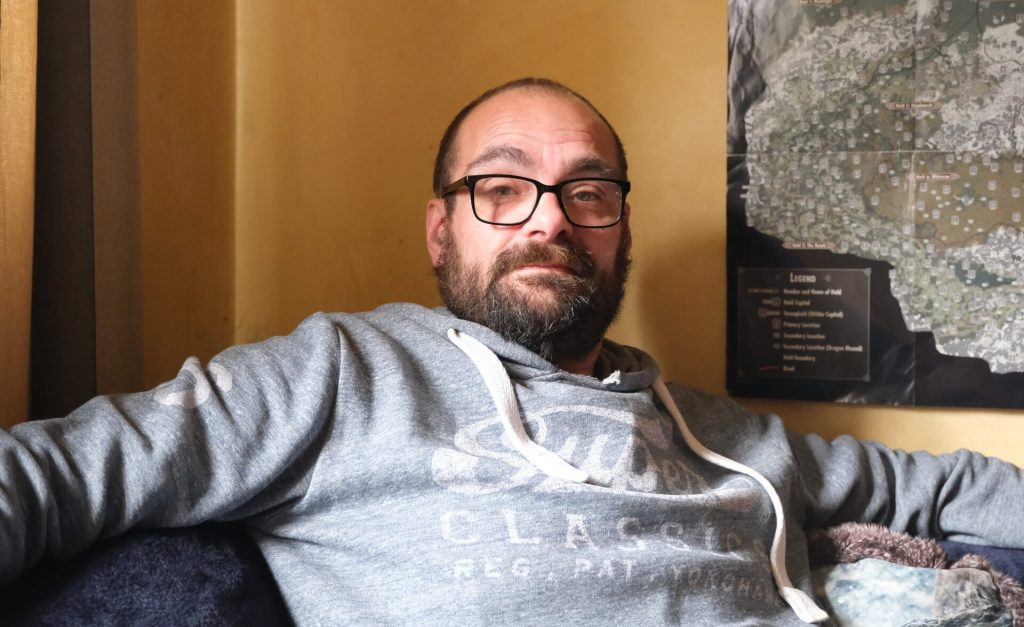
I have somewhere I can close the door and call home.
A long-standing Southdown tenant shares their journey from homelessness and unstable housing to finding a safe place to call home, and how stability, dignity and the right support have made....
Read more
Our support gives people a road map to live independent, meaningful lives
An Employment Specialist at Southdown reflects on helping people with mental health conditions take steps towards independence through meaningful employment and wraparound support.
Read more
The best thing about my job is supporting clients to create positive change
Rob, Team Manager for Southdown’s Assertive Outreach and Move On Team in East Sussex, shares how his team supports people sleeping rough to take steps towards positive change. His story....
Read more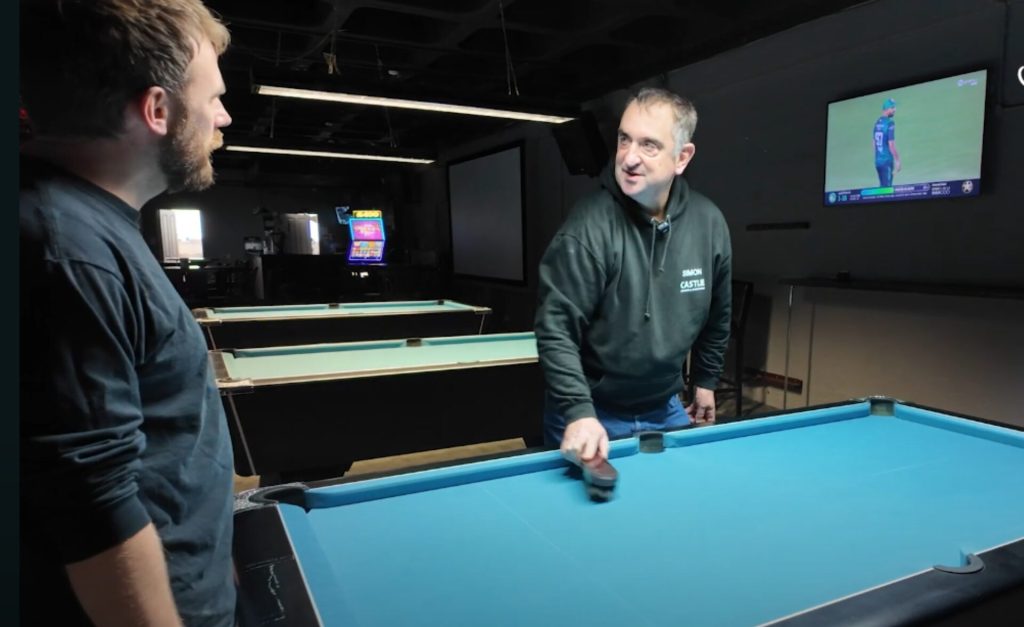
Celebrating Simon’s journey into employment
Meet Simon – a client at one of our Learning Disability support services – and join him at work at his local snooker club!
Read more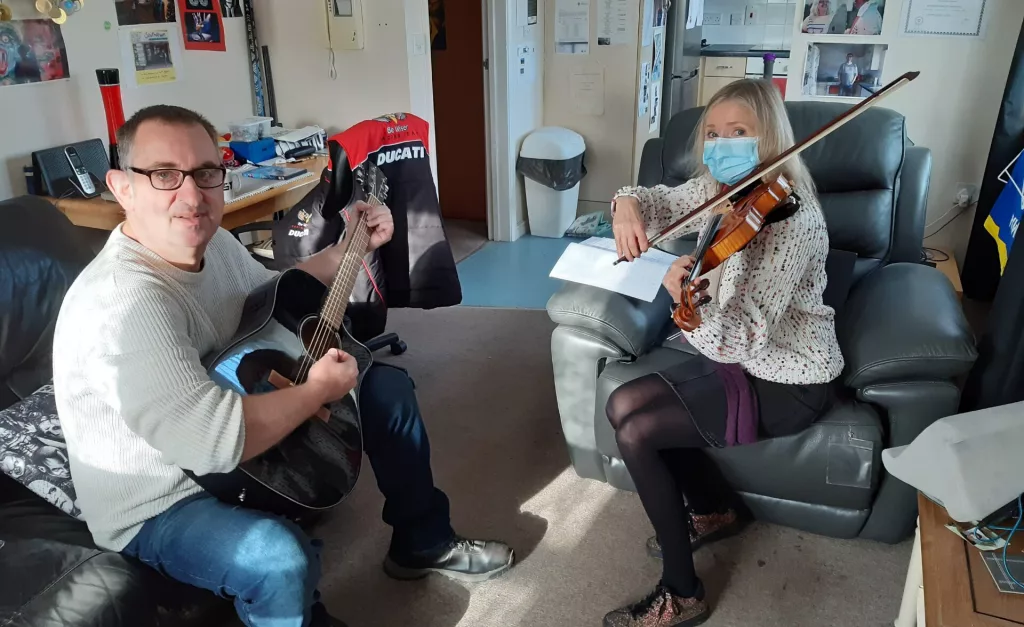
Building genuine connections is at the heart of what we do
In this story, Anita Beverton, Head of Learning Disability services, shares what drives her passion for people to be listened to and to be at the centre of their own....
Read more