People, Purpose, and Partnership: 25 Years at Southdown
Posted on 29 May 2026
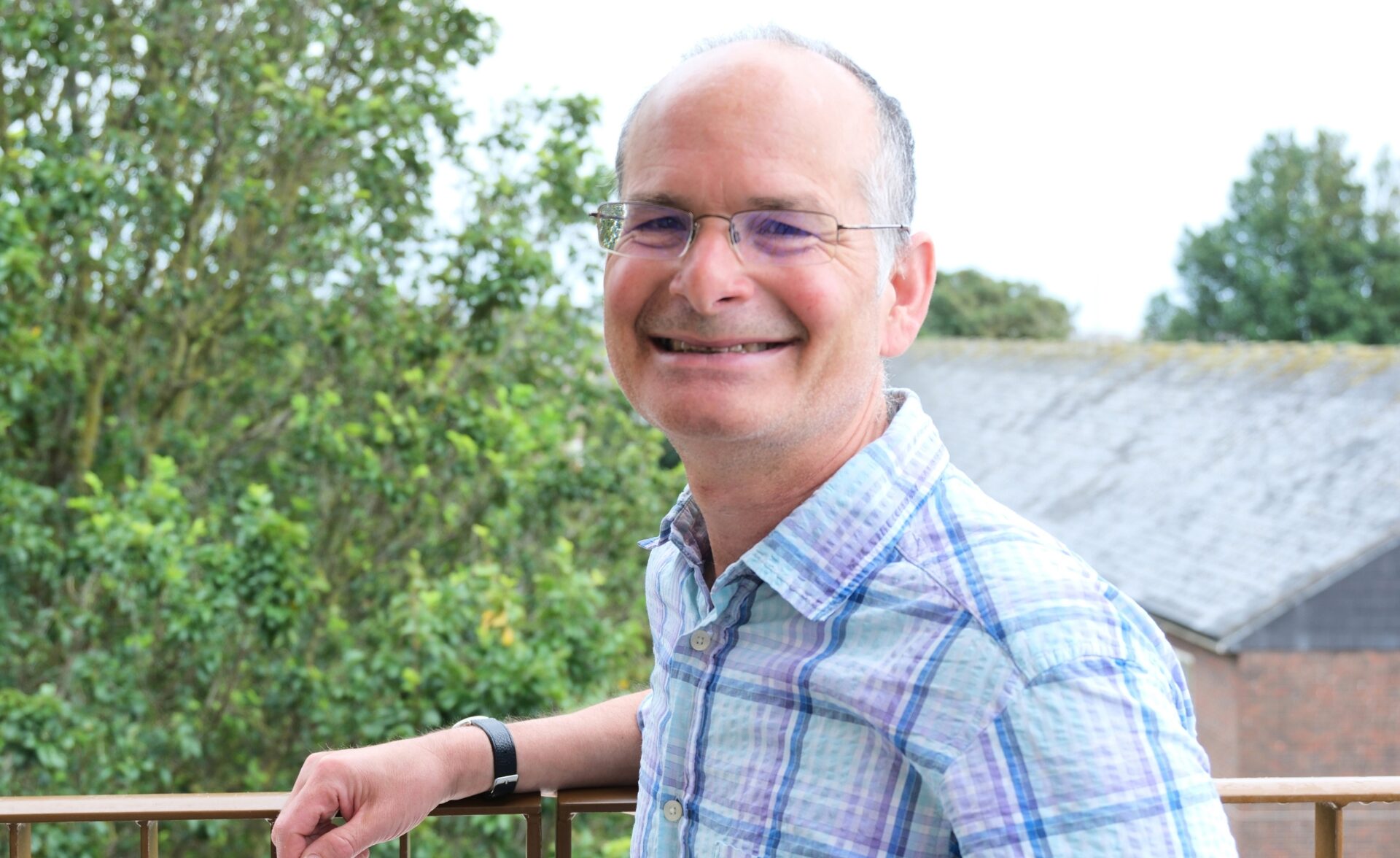
Neil Blanchard reflects on 25 years at Southdown.
For 25 years, I’ve had the privilege of being part of Southdown’s journey, for the last 12 years as CEO.
When I reflect on those 25 years, what stays with me most is the people – colleagues, clients, partners, and communities – who have shaped Southdown and shaped me along the way. I am also struck not simply by how much has changed across Sussex and the wider sector, but by how much more complex people’s lives have become.
When I joined Southdown in 2001, services already felt stretched, and funding was tight. Today, across learning disability services, homelessness support, mental health and supported housing, the needs of the people we support are far more layered and acute than they were 25 years ago. In some ways, that reflects progress – people with learning disabilities are living longer and surviving conditions that once shortened lives dramatically – but it has also required organisations like Southdown to continually rethink how support is designed, delivered, and personalised.
The same is true across homelessness and mental health. Mental health challenges are more visible and prevalent, substance misuse has become more acute and, beneath much of what we see, there is often deep-rooted trauma stretching back many years.
Long-term leadership gives you perspective.
I sometimes describe myself as a ‘history holder’ of Southdown because you carry the memory not only of your organisation, but of how systems, funding, and society itself have shifted over time. I also view myself as a custodian, hopefully aiming to leave Southdown stronger.
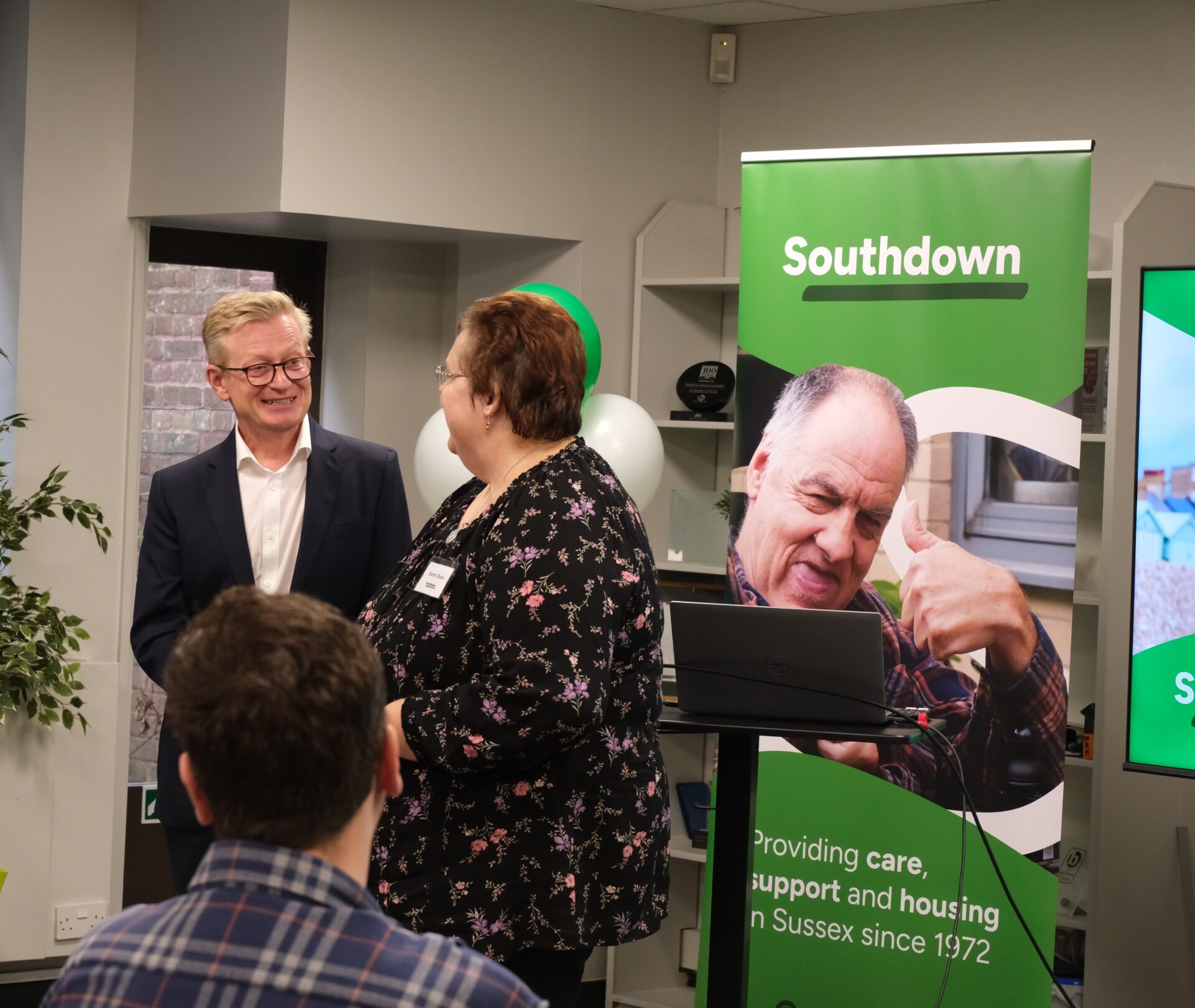
I’ve always believed that however long we spend in an organisation, it never truly belongs to us. We are simply fortunate enough to look after it for a period of time, hopefully improving it for the people who come after us. The legacy ultimately belongs to the organisation itself and the communities it serves.
I’ve seen periods where investment in prevention genuinely transformed lives. In the early 2000s, funding for homelessness prevention allowed organisations like Southdown to expand significantly and intervene earlier. But since the financial crash of 2008 and the prolonged squeeze on public spending, prevention services have steadily reduced while demand has continued to rise. Increasingly, organisations like ours are left dealing with people at the sharpest point of crisis.
Over that same period, the voluntary sector has also changed profoundly. Twenty-five years ago, the sector often felt closer to grassroots activism and local community action. Today, much of it operates through contracts and commissioned services. That has brought professionalism and scale, but also tension. Services have become more target-driven and tightly specified, which can make innovation harder, but not impossible.
One of the lessons I’ve learned is that we have to hold two truths at once. We must deliver accountable, effective services, but we must also stay connected to what people actually need – connection, belonging and community. Those things are harder to measure, but they matter enormously.
Partnership working
Over the years, it’s been great to see an increasing commitment to collaboration versus competition. The challenges facing society are far too complex for any single organisation to solve alone. Real progress depends on relationships, trust and shared purpose between the NHS, local authorities, and the voluntary sector.
Increasingly, I believe leadership itself has to be thought about differently. Many of the issues we face today are ‘wicked issues’ that sit across organisational boundaries and cannot be solved through traditional organisational silos.

We require a systems leadership approach – bringing people together around shared purpose, being willing to work through complexity collectively and recognising that long-term change depends on collaboration rather than control.
In Sussex, I believe organisations like Southdown increasingly act as bridges – helping statutory systems connect more effectively with communities and smaller grassroots organisations. That role will become even more important as neighbourhood-based working develops further.
Looking back, some of Southdown’s defining moments came when we chose to be bold.
Expanding into employment support in mental health in 2008, growing our learning disability services and becoming a lead provider of community mental health services all helped shape the organisation we are today. Long-term leadership teaches you that organisations are shaped by these ‘sliding door’ moments. Some risks work, others teach you lessons. But when you stay in an organisation for a long time, you live with those decisions and learn from them. That creates deep roots.
After 25 years, I know Sussex, its partnerships, and its pressures well. Leadership is not something you can do from a distance – you have to stay connected to people and understand when an organisation is under strain.
I often say that sometimes you choose a sector, and sometimes it chooses you.
For me, this career was never planned. My pathway into the sector stemmed from both voluntary work and personal connection. I had an uncle with a learning disability, and, from a young age, I was drawn towards work that involved supporting people and communities.
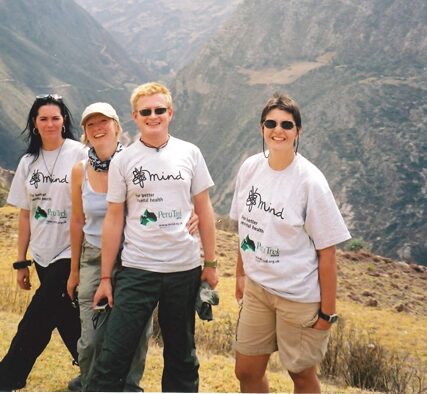
Some of the most rewarding experiences of my life came through volunteering.
While still at school I volunteered with Riding for the Disabled, later supporting people with mental health needs as a student and then, in my early twenties, working with people dying from AIDS during a time of immense stigma and fear. Those experiences shaped me profoundly.
Professionally, I originally trained as a chartered surveyor. But I had one of those ‘sliding door’ moments where I chose to leave that career behind to take up a frontline role supporting people with learning disabilities as they moved out of a long-stay institution and into community living. I have never looked back. Somewhere along the way, I realised I had found not simply a career, but a vocation.
I was also fortunate throughout my career to be supported and encouraged by some extraordinary mentors, whose leadership, wisdom, and belief in people influenced me deeply.
Even now, what continues to inspire me most is not strategy or systems, but the frontline work our staff do every day to improve people’s lives. That remains the heartbeat of Southdown. Whether it’s supporting someone into a home, helping someone manage their mental health, or enabling a person with learning disabilities to live more independently, those moments still matter deeply.
Looking ahead
These are uncertain times. Public services face enormous pressure and change. Yet what gives me optimism is the resilience of organisations like Southdown. We have learned how to navigate difficult seas without losing sight of the people we are here to support.
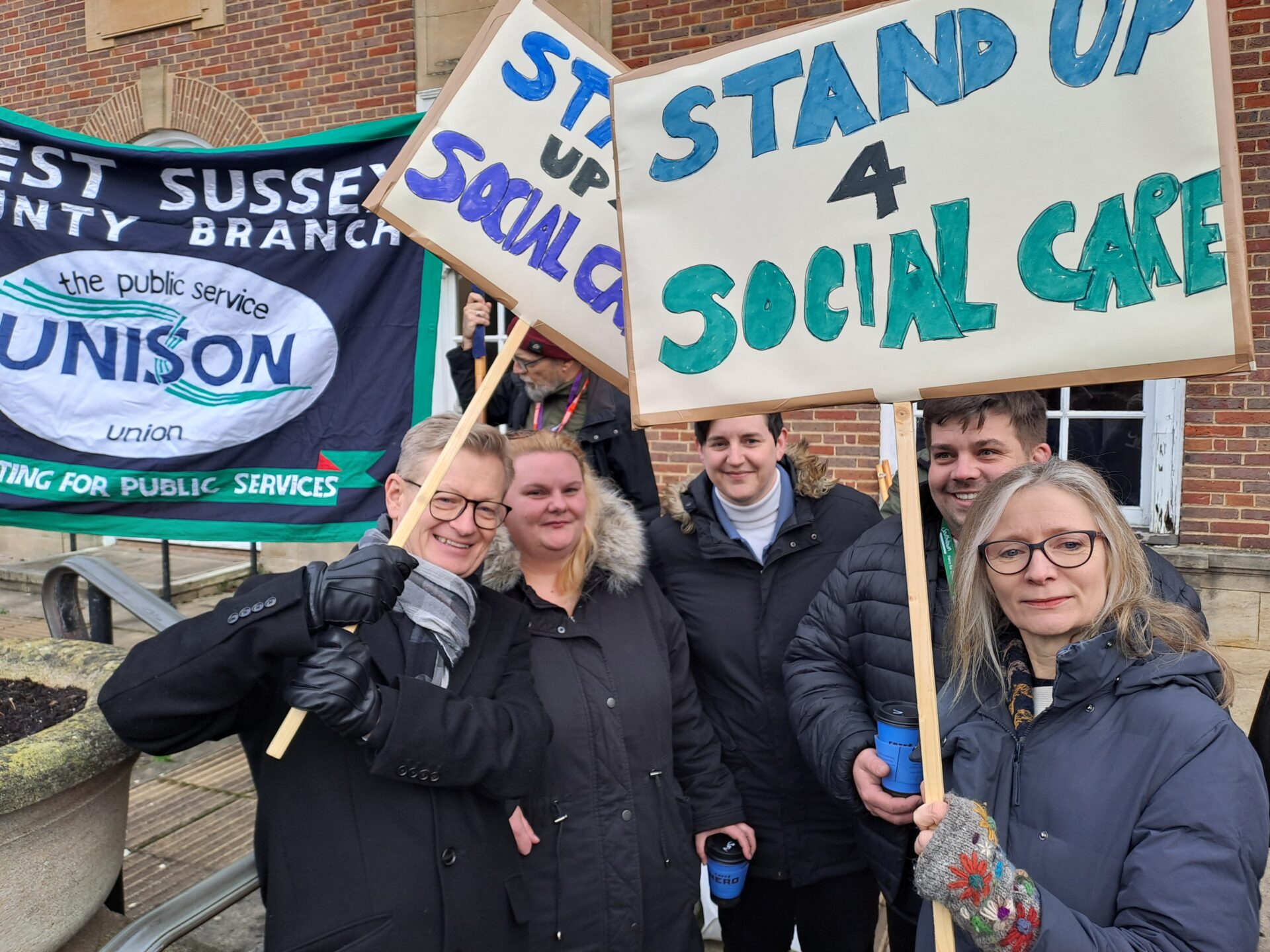
None of this is achieved by one person or one organisation. I’ve been fortunate to work alongside extraordinary colleagues, partners and communities over the years, whose commitment continues to inspire me.
Optimism matters in leadership. Not false optimism, but a genuine belief that change is possible. Many of the challenges we face today are rooted in trauma and inequality that began years earlier, which means meaningful change takes time and patience.
When I look ahead, I believe the future depends on collaboration, compassion, and long-term thinking. Funding models and systems will continue to change, but the fundamental purpose remains the same: helping people live well, feel connected and have the support they need to thrive. That is what has held Southdown together for 25 years – and I believe it is what will carry us forward into the future too.